Long before “safari” became a travel category — before it meant private conservancies, fly-in camps, and curated wildlife encounters — it meant something closer to a single, specific image: golden grass, acacia trees against a wide sky, and a sense of scale that dwarfs everything human standing in it.
A great deal of that image comes from one story, set in one Kenyan landscape, decades before the modern safari industry existed.
The Story Behind the Story
“Out of Africa,” the 1985 film starring Meryl Streep and Robert Redford, was based on the real life of Karen Blixen, a Danish writer who moved to Kenya in the early 20th century to run a coffee farm outside Nairobi. Her memoir of the same name recounted her years in East Africa with a blend of romance, hardship, and reverence for the landscape that few written accounts of the region had captured before.
The film adaptation became something larger than a period drama. It introduced millions of viewers who had never been to Africa, and likely never would, to a specific visual idea of what the continent looked like — and that idea, for better or worse, shaped an entire generation’s expectations of what a safari should feel like.
Why the Landscape Still Resonates
What made the film’s setting so enduring wasn’t just cinematography. Kenya’s landscapes — the open plains, the scattered acacia trees, the golden light specific to certain hours of the day — offered something genuinely difficult to fabricate on a studio lot. Audiences responded to an authenticity they could sense even without articulating it.
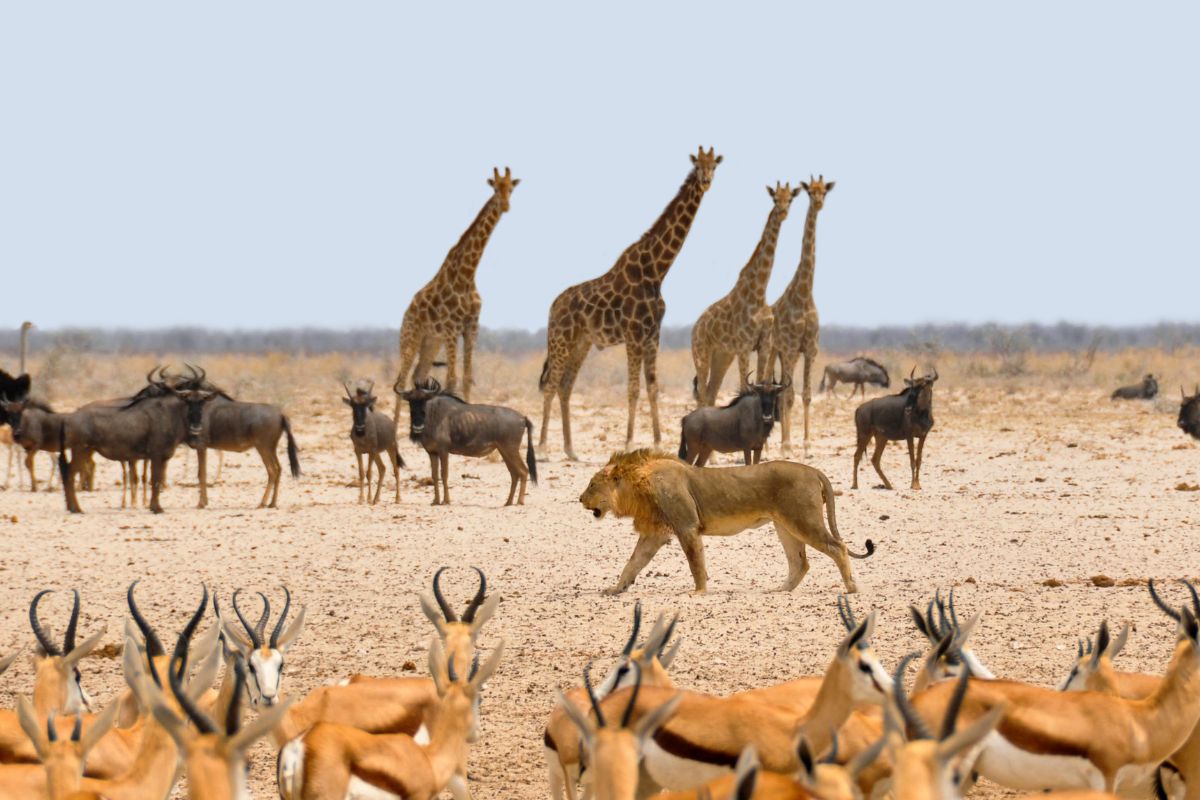
That authenticity is still there today. The same qualities of light and landscape that made the film so visually striking are exactly what draw photographers and first-time safari guests to the Maasai Mara now, decades later. Little about the physical landscape has changed; what’s changed is how many more people now have the means to see it in person rather than only on screen.
Fiction and Reality, Side by Side
It’s worth being precise about what’s fact and what’s cinematic composite here: the film drew on the broader landscape and character of Kenya’s countryside during that era rather than a single, pinpointed filming location that visitors can check off a list today.
That distinction matters, because the appeal isn’t really about standing in one exact spot — it’s about recognizing the same quality of light, the same scale of open plains, the same golden-hour stillness that made the film so visually unforgettable.
Guests visiting the Mara today aren’t retracing a film set. They’re experiencing the same landscape that made the film’s imagery so powerful in the first place — which, in a sense, is the more meaningful version of the connection.
A Landscape That Predates the Word "Safari"
There’s something worth sitting with here: this landscape was extraordinary long before “safari” existed as a travel product, and long before conservancies, fly-in camps, or curated itineraries turned wildlife viewing into an industry.
The land came first. The romance, the film, and eventually the modern safari all followed from what was already there.
That sequencing matters. Guests standing on the Mara’s plains today aren’t experiencing a manufactured version of something — they’re experiencing the same raw landscape that inspired one of cinema’s most enduring love stories, largely unchanged.
Standing Where the Story Began
Visiting the Maasai Mara today doesn’t require any familiarity with “Out of Africa” to appreciate. But knowing the story adds a layer most first-time visitors don’t expect — a sense that the landscape in front of them has been quietly shaping how the rest of the world imagines Africa for the better part of a century.
Ready to see the landscape for yourself?