Most of East Africa’s iconic landscapes share a common visual language — golden savannah, acacia trees silhouetted against the horizon, the occasional granite kopje breaking up the plains.
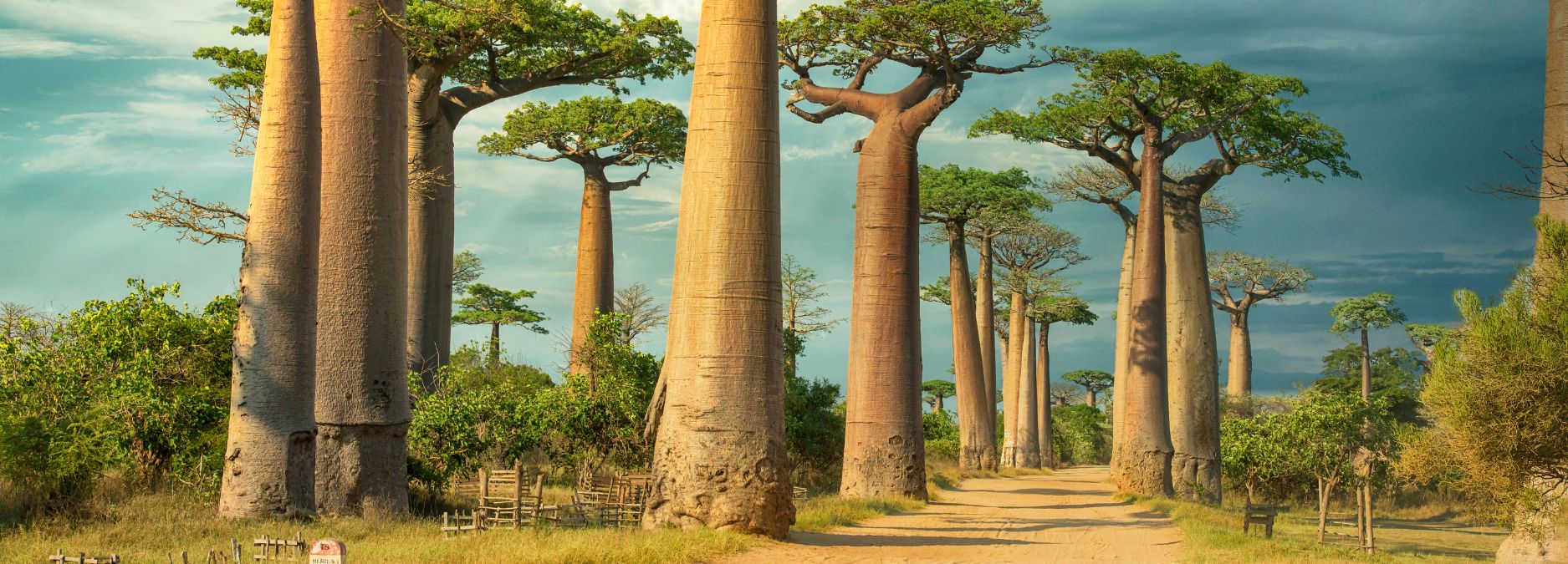
Madagascar looks like none of it. This is a landscape that evolved in near-total isolation, and it shows in almost everything you see there, starting with a single road lined by trees unlike any others on earth.
A Road Unlike Any Other
The Avenue of the Baobabs, a dirt road near Morondava on Madagascar’s western coast, has become one of the most photographed stretches of landscape in Africa — and for good reason. Towering baobab trees, some estimated at well over a hundred years old, line the road in a formation dense enough to feel almost architectural. At sunrise and sunset, their silhouettes against the sky create a scene that looks staged, though it’s entirely natural.
What makes the avenue more than just a striking photo stop is the age of the trees themselves. Baobabs grow slowly and live for centuries; standing among them is standing among living things that predate most of the historical narratives told elsewhere on a typical East Africa itinerary.
An Island That Evolved on Its Own
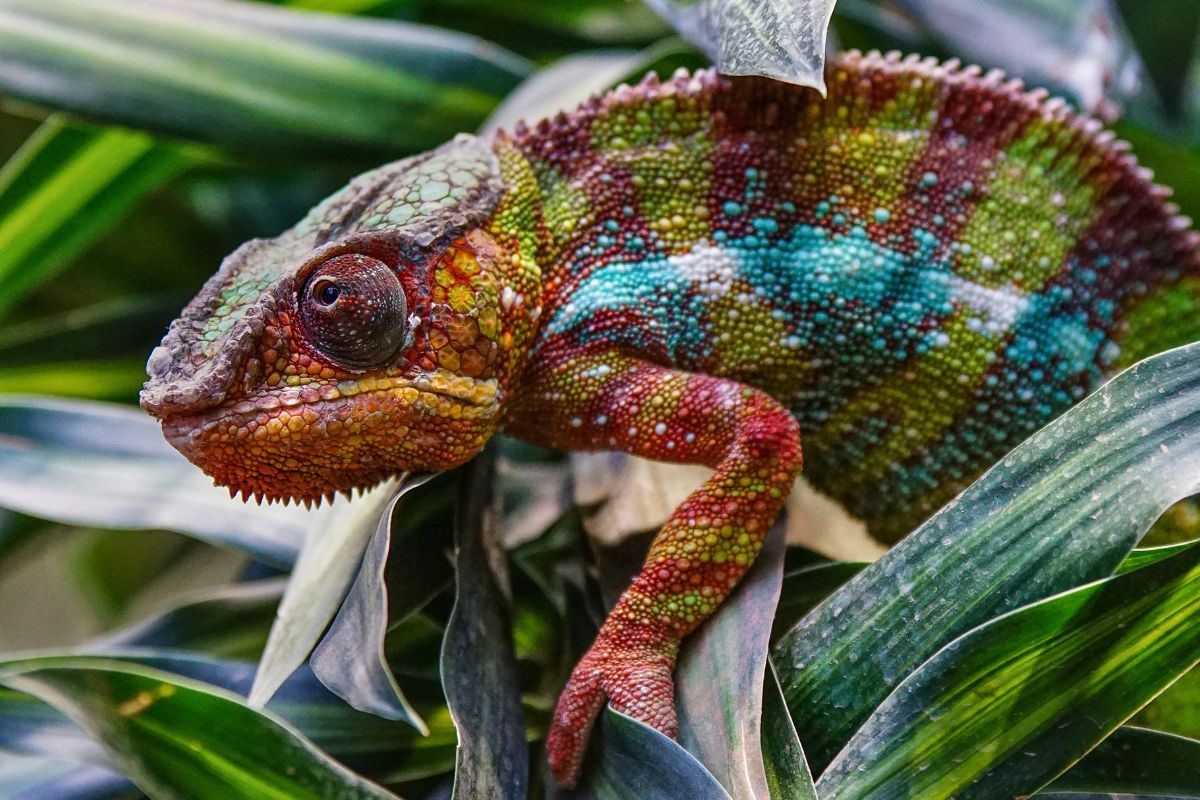
Madagascar separated from the African mainland roughly 150 million years ago, and that isolation shaped virtually everything that lives there. A significant majority of Madagascar’s plant and animal species exist nowhere else on the planet — lemurs being the most famous example, but the pattern extends to reptiles, birds, and plant life across the island.
For guests who’ve already spent days spotting the Big Five in Kenya or Tanzania, Madagascar offers a genuinely different kind of wildlife encounter — quieter, stranger, and built around species that simply don’t exist anywhere on the mainland safari circuit.
How It Fits Into a Broader Trip
Madagascar sits apart from the rest of the East African mainland, both geographically and in terms of typical itinerary structure. It’s rarely the anchor of a first-time safari trip, and it isn’t a natural bush-to-beach pairing in the way Zanzibar or the Kenyan coast are.
Where Madagascar earns its place is as an extension for guests building a longer, multi-country journey — travelers who’ve already experienced a classic safari and a coastal stay, and are looking for a third chapter that feels genuinely distinct from both.
This makes it a natural fit for repeat clients, or for guests planning a longer two-to-three-week itinerary with the time to properly explore a destination this different from the rest of the trip.
What to Expect Beyond the Avenue
The Avenue of the Baobabs draws the most attention, but Madagascar’s national parks offer their own draws — lemur-tracking excursions that mirror the structure of a gorilla trek in miniature, rainforest terrain unlike anything on the savannah circuit, and a slower, more exploratory pace overall.
Infrastructure here is less developed than in Kenya or Tanzania, which shapes the experience: this is a destination for travelers who want something genuinely off the well-worn path, not a polished, high-volume tourist circuit.
The Island Worth the Detour
Madagascar won’t suit every itinerary, and it isn’t meant to. For guests who’ve already experienced the classic bush-to-beach combination and want a third, distinctly different chapter, few destinations deliver landscapes and wildlife this unlike anywhere else in the world.
Curious whether Madagascar fits your next journey?